10 Best Emissions Reduction Strategies for Global Buyers?
Global buyers now influence emissions far beyond their own offices and warehouses. Their purchase orders shape factories, farms, shipping routes, packaging, and product design. The stakes are measurable. They are also difficult.
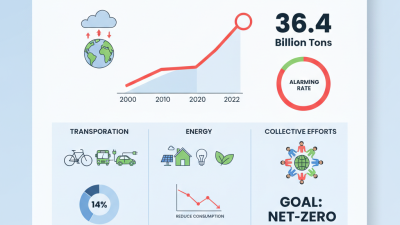
The International Energy Agency reported 37.4 billion tonnes of energy-related CO2 emissions in 2023, an increase of about 1.1%. UNEP’s Emissions Gap Report 2023 warned that current policies could still lead to approximately 3°C of warming this century. These findings make emissions reduction a purchasing priority, not a branding exercise. CDP has reported that supply-chain emissions can exceed operational emissions by more than 11 times. For many buyers, Scope 3 data is therefore the largest blind spot.
This guide explores ten practical emissions reduction strategies for global buyers. It covers supplier carbon requirements, science-based targets, renewable electricity, low-carbon materials, product redesign, logistics optimization, circular procurement, and credible emissions data. The approach follows the GHG Protocol and reflects the SBTi Corporate Net-Zero Standard. It also recognizes real procurement constraints, including cost, quality, lead times, and limited supplier capacity.
No strategy is perfect. A supplier questionnaire cannot replace verified evidence. A cheaper product may create higher transport emissions. Buyers should compare product footprints, request consistent data, and check claims through independent assurance where possible. The goal is measurable progress, supported by contracts, invoices, shipment records, and supplier improvements. Small decisions matter. Ten million units magnify every avoidable gram.

Define Emissions Reduction Goals for Global Procurement
Global procurement teams need emissions goals that are measurable, practical, and tied to buying decisions.
Start with a clear baseline across purchased goods, transport, packaging, and supplier operations. The Greenhouse Gas Protocol recommends separating Scope 1, Scope 2, and Scope 3 emissions. This prevents procurement teams from hiding major impacts inside broad averages.
The Carbon Disclosure Project’s 2023 Supply Chain Report found that supply chain emissions are, on average, 11.4 times higher than operational emissions. That figure changes the priority.
Set a 12-month data improvement target, then establish reduction goals for three and five years. Use supplier-specific data where possible. For smaller suppliers, begin with verified activity data, such as kilowatt-hours, fuel use, shipment weight, and transport distance. Spend-based estimates can support an initial screen, but they should not become permanent evidence.
Make goals specific to each purchasing category. A transport target might require a 30% emissions reduction per tonne-kilometre by 2030. A materials target could require lower-carbon inputs and documented recycled content. Include supplier engagement metrics, such as the percentage of strategic suppliers submitting emissions data annually.
Progress should be reviewed quarterly, with procurement records linked to environmental results. The data will be imperfect. Currency changes, missing invoices, and regional grid factors can distort comparisons. Record these limitations openly, and revise the baseline when better evidence appears. Credibility grows through correction, not false precision.
Measure Supply Chain Emissions Across International Markets
10 Best Emissions Reduction Strategies for Global Buyers
Global buyers need comparable emissions data before choosing reduction strategies across international supply chains. A factory’s monthly electricity use, freight distance, and material weight create a practical starting point. Map suppliers by country, process, and product volume. Then separate Scope 1, Scope 2, and Scope 3 emissions. Use the GHG Protocol and local grid emission factors. Keep units consistent. Record each source, date, and calculation method.
International data is rarely perfect. In procurement reviews, missing supplier records are common, especially across smaller factories and distant markets. Use primary data when available, then apply transparent estimates. Check whether ocean freight, air freight, and last-mile delivery are counted separately. Compare emissions per product unit, not only total tonnes. This reveals hidden changes when order volumes rise. Recheck currency, energy prices, and regional electricity factors annually.
Tips: Ask suppliers for energy bills, fuel logs, and production volumes. Store evidence in one controlled system. Flag estimates clearly. A short supplier questionnaire can expose gaps quickly. Do not reward low figures without reviewing their assumptions. A clean spreadsheet can still contain weak data. Recalculate a sample shipment manually. Invite an independent reviewer when results influence major purchasing decisions.
10 Best Emissions Reduction Strategies for Global Buyers
Measure Supply Chain Emissions Across International Markets
The chart shows indicative midpoint estimates for potential lifecycle CO₂e reductions in the addressable emissions of each supply-chain activity. Actual results vary by country electricity mix, transport mode, supplier performance, product design and measurement boundaries. Benchmarks reflect ranges commonly reported in guidance from the IPCC, IEA, IMO, IATA and the GHG Protocol.
Prioritize Low-Carbon Suppliers and Sustainable Materials
10 Best Emissions Reduction Strategies for Global Buyers?
Prioritize Low-Carbon Suppliers and Sustainable Materials
Global buyers should measure supplier emissions before negotiating price or volume. CDP’s 2023 Supply Chain Report found that supply-chain emissions are, on average, 11.4 times higher than operational emissions. This figure changes procurement priorities. A supplier’s renewable electricity use, logistics distance, process efficiency, and emissions reporting should influence supplier selection. Ask for verified Scope 1 and 2 data, then request a practical plan for relevant Scope 3 emissions. Screenshots are not enough. Independent assurance is stronger.
Materials deserve equal attention. The United Nations Environment Programme reports that resource extraction and processing create about half of global greenhouse-gas emissions. Buyers can specify recycled metals, certified timber, lower-carbon cement, bio-based inputs, or materials with documented recycled content. However, “sustainable” labels can hide trade-offs. Recycled content may increase transport needs, while a lighter material may have weaker durability. Request product carbon footprints, system boundaries, allocation methods, and end-of-life assumptions.
Make the requirement measurable. Set annual emissions targets, minimum recycled-content thresholds, and evidence deadlines in supplier contracts. Pilot one product line before changing an entire portfolio. That is safer. Procurement teams should also review supplier data each year, because energy mixes, factories, and transport routes change. Perfect data rarely arrives at the start. Weak estimates are still useful when clearly marked, corrected, and improved.
Monitor Results and Improve Global Buyer Performance
Global buyers can reduce emissions only when performance is measured consistently. A practical system tracks purchase volumes, transport distances, energy use, and supplier emissions data. Measure the same way. Use common units, defined reporting periods, and documented calculation methods. This makes results comparable across regions and product categories. Buyers should also separate verified figures from estimates. Reliable decisions depend on knowing the difference.
A monthly dashboard can show emissions per shipment, per unit, and per supplier. It should flag unusual increases, such as a route change or heavier packaging. Set reduction targets that reflect operational reality, not attractive promises. Review freight choices, order frequency, material use, and delivery urgency together. One small change may reduce emissions across thousands of transactions. Independent checks can improve confidence in reported results.
Improvement requires honest review. Our first dashboard was too ambitious, and several suppliers could not provide complete data. Data can be messy. Instead of hiding the gaps, record them and assign clear correction dates. Buyers can offer practical guidance, such as templates, training, and simple evidence requirements. Supplier performance should be reviewed quarterly, with progress linked to purchasing decisions where appropriate. Targets may need adjustment when markets, regulations, or production conditions change. That gap matters. Continuous monitoring turns emissions work from a one-time report into a working purchasing discipline.
 Skip to content