China Top Solutions for Reducing Greenhouse Gas Emissions?

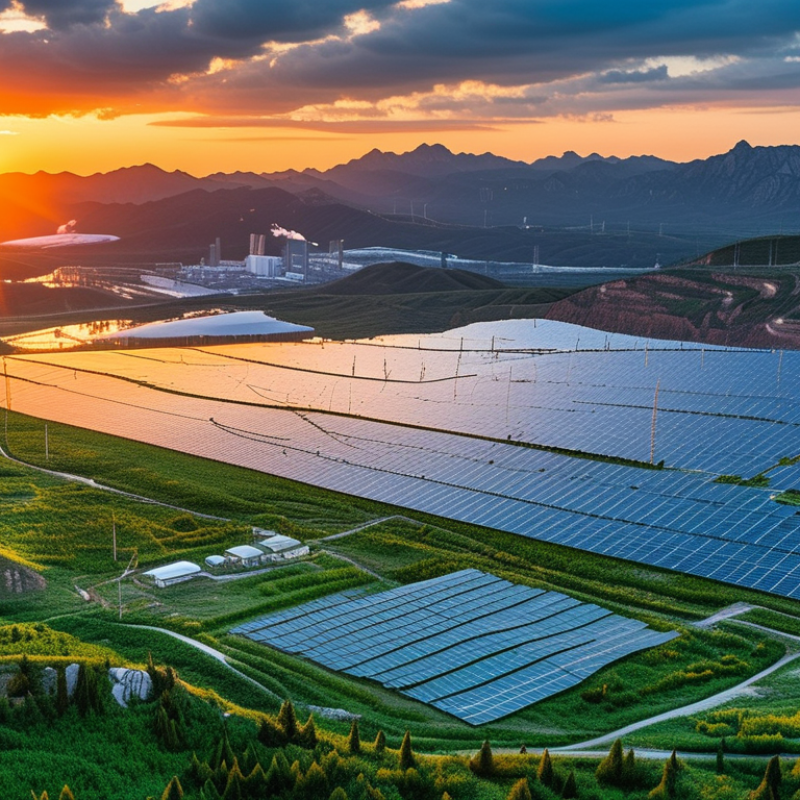
China’s transition is central to the global effort of reducing greenhouse gas emissions. The country remains the world’s largest annual emitter, yet it also leads renewable-energy deployment. The International Energy Agency’s Renewables 2024 report estimates that China supplied almost 60% of global renewable-capacity additions in 2023. Solar panels now cover factory roofs, open fields, and former mining areas. This scale creates unusual opportunities, but it also creates pressure on land, grids, and supply chains.

This article examines China’s top solutions, including renewable power, coal-plant restructuring, electric vehicles, industrial efficiency, methane control, and carbon-market development. China’s National Energy Administration reported rapid growth in wind and solar capacity during 2023 and 2024. The IEA’s Global Energy Review 2024 also found that China’s clean-energy expansion reduced the growth of global emissions, despite rising energy demand. These figures are encouraging. They are not enough.

The harder question concerns fossil-fuel dependence. Coal still supports electricity reliability, heavy industry, and regional employment. The Climate Action Tracker has repeatedly assessed China’s current policies as insufficient for a 1.5°C pathway. Its findings deserve attention, although emissions accounting methods can produce different results. A credible solution therefore needs more than impressive installation numbers. It needs flexible power grids, stronger efficiency standards, transparent carbon data, and practical support for affected workers. No single lever solves this.

The discussion will connect policy evidence with real operating conditions, from battery storage beside solar farms to cleaner steelmaking in industrial provinces. China’s progress is substantial, but uneven. That tension requires careful analysis rather than easy praise.
China Top Solutions for Reducing Greenhouse Gas Emissions?

China’s Greenhouse Gas Emissions: Sources, Trends, and Reduction Goals

China’s greenhouse gas emissions come mainly from coal-fired power, heavy industry, transport, buildings, and agriculture. Steel, cement, and chemical production require intense heat and large amounts of electricity. Coal remains especially important because it supports reliable power during peak demand. However, the energy structure is changing. Renewable generation is expanding, while cleaner electricity gradually replaces some direct fossil-fuel use.

China has pledged to reach a carbon emissions peak before 2030 and achieve carbon neutrality before 2060. These goals influence power planning, industrial investment, and local government policies. In practical energy audits, factories often find simple losses first: compressed-air leaks, outdated motors, poor insulation, and idle equipment. Small corrections can reduce costs and emissions together. Still, efficiency gains alone will not transform the whole system.

The strongest solutions combine renewable power, stronger transmission networks, energy storage, and wider electrification. Electric vehicles and heat pumps can lower emissions when electricity becomes cleaner. Steelmakers can reduce coal use through recycled materials, cleaner hydrogen, and improved furnace controls. Methane monitoring also deserves more attention because short-lived gases can intensify near-term warming. Carbon capture may help with cement and chemical emissions, but it remains expensive and energy-intensive. Targets create direction, not certainty. China must improve emissions data, disclose local progress, and accept that some transition plans will need revision. Progress may be substantial, but uneven.


Renewable Energy Expansion and the Transition Away from Coal

China’s greenhouse gas strategy increasingly depends on renewable energy expansion and a slower transition away from coal. Solar panels now cover large rooftops, open fields, and unused industrial land. Wind turbines are also expanding across northern grasslands and coastal zones. These projects can reduce carbon emissions when they replace coal-fired electricity.

The transition is uneven. Renewable capacity does not automatically replace coal generation. Power grids need stronger transmission lines, flexible demand, and reliable energy storage. A cloudy afternoon or a calm winter night can quickly increase pressure on coal plants. Regional grid planning must match electricity demand with renewable supply. Transparent emissions data can also show whether new capacity truly reduces pollution.

Coal remains important for heavy industry and electricity security, especially during extreme weather. However, older plants could operate less often while cleaner power sources grow. This requires careful scheduling, worker training, and financial support for coal-dependent communities. The process is expensive.

Some energy plans may overestimate how quickly storage and transmission can develop. That weakness deserves honest review. Building renewable projects without improving local grids can leave electricity unused. Reducing coal use also requires better building efficiency, cleaner industrial equipment, and public investment in rural areas. Measurable targets, independent monitoring, and regular policy adjustments would make the transition more credible.

China Top Solutions for Reducing Greenhouse Gas Emissions: Renewable Energy Expansion and the Transition Away from Coal
Selected national indicators showing how renewable-energy growth, coal substitution, electrification, and grid modernization can reduce greenhouse-gas emissions.
Solution Area Indicator 2020 Baseline 2023 or Latest Reported Value Change Climate-Relevance Data Source
Renewable-energy expansion Installed renewable-energy capacity 934 GW Approximately 1,516 GW in 2023 Increase of about 62% Expands low-carbon electricity supply and reduces the need for coal-fired generation during periods of strong renewable output. National Energy Administration of China; 2023 national energy statistics
Solar power deployment Grid-connected solar-power capacity Approximately 254 GW Approximately 609 GW in 2023 More than doubled Solar generation has a low operational carbon intensity and can displace coal-based electricity, particularly during daytime demand peaks. National Energy Administration of China
Wind-power deployment Grid-connected wind-power capacity Approximately 281 GW Approximately 441 GW in 2023 Increase of about 57% Onshore and offshore wind resources provide additional non-fossil electricity and diversify the national power mix. National Energy Administration of China
Hydropower development Installed hydropower capacity Approximately 370 GW Approximately 422 GW in 2023 Increase of about 14% Hydropower supplies low-carbon electricity and can provide flexibility for balancing variable wind and solar generation. National Energy Administration of China
Renewable electricity generation Electricity generated from renewable sources Approximately 2,210 TWh Approximately 2,945 TWh in 2023 Increase of about 33% Higher renewable generation directly lowers the amount of electricity that must be produced by coal and other fossil fuels. National Energy Administration of China; China Electricity Council
Coal dependence reduction Coal share of total energy consumption 56.8% Approximately 55.3% in 2023 Decline of about 1.5 percentage points A lower coal share reduces carbon dioxide emissions and air pollutants when supported by renewable power, efficiency, and cleaner end-use technologies. National Bureau of Statistics of China; national energy and economic statistics
Non-fossil energy transition Non-fossil fuels as a share of total energy consumption 15.9% Approximately 17.7% in 2023 Increase of about 1.8 percentage points Increasing the non-fossil share supports the national target of reaching approximately 25% non-fossil energy consumption by 2030. National Bureau of Statistics of China; National Energy Administration of China
Power-system flexibility New-type energy-storage capacity Less than 3 GW More than 31 GW by the end of 2023 Rapid expansion Battery and other storage systems help shift renewable electricity, reduce curtailment, and limit the need for coal plants to balance short-term fluctuations. National Energy Administration of China
Grid integration Renewable-energy utilization rate Wind: about 97%; Solar: about 98% Wind: about 97.3%; Solar: about 98.0% in 2023 Maintained at a high level High utilization means that a greater proportion of available renewable electricity is delivered to consumers instead of being curtailed. National Energy Administration of China
Industrial decarbonization Electricity consumption by the secondary industry Majority of national electricity demand Approximately 5,700 TWh in 2023 Large electrification opportunity Replacing direct coal use in industrial heat and processes with renewable electricity, electric boilers, heat pumps, and green hydrogen can reduce industrial emissions. National Energy Administration of China; China Electricity Council
Transport electrification New-energy vehicle ownership Approximately 4.92 million vehicles Approximately 20.41 million vehicles by the end of 2023 More than fourfold increase When powered by an increasingly renewable electricity mix, electric vehicles can reduce oil use and lifecycle greenhouse-gas emissions from road transport. Ministry of Public Security of China
Energy efficiency Energy consumption per unit of GDP Reference index: 100 Lower than the 2020 level Improving efficiency trend Improved energy productivity reduces total energy demand and makes it easier for renewable energy to replace fossil-fuel consumption. National Bureau of Statistics of China; national five-year planning indicators
Coal-transition policy National climate objective Carbon-intensity reduction target in force Carbon dioxide emissions to peak before 2030 and carbon neutrality before 2060 Long-term decarbonization pathway The stated objectives provide a framework for expanding renewable energy, controlling coal consumption, improving efficiency, and modernizing the power system. China’s nationally determined contribution and official climate-policy documents
Note: Values are rounded for presentation. Capacity figures refer to installed capacity unless otherwise stated. Renewable-energy capacity includes hydropower, wind, solar, and biomass-related generation. Definitions and statistical coverage may vary slightly among official sources.

Industrial Decarbonization Through Efficiency and Clean Technologies

China’s Top Solutions for Reducing Greenhouse Gas Emissions

Industrial Decarbonization Through Efficiency and Clean Technologies

Industrial plants can cut emissions by measuring energy use before purchasing new equipment. A detailed energy audit often reveals compressed-air leaks, overheated furnaces, and idle motors. These small losses quietly increase fuel bills and carbon emissions. Smart meters can track electricity every fifteen minutes, exposing unusual nighttime consumption.

Efficiency should accompany cleaner energy. Heat recovery systems can capture exhaust warmth and preheat water or raw materials. High-efficiency motors, variable-speed drives, and better insulation also reduce unnecessary demand. Where practical, factories can replace coal-fired heat with electric boilers or other low-carbon systems. Solar and wind power may supply part of the electricity, while storage can support operations during short interruptions.

The work is rarely tidy. Some production lines cannot electrify immediately because they require high temperatures or continuous operation. Early reduction estimates may also be too optimistic when maintenance downtime is ignored. Engineers should therefore test improvements on one line, compare measured results, and revise the plan. Emissions data needs clear boundaries, consistent calculations, and independent verification. Workers’ experience matters too; operators often notice leaks and inefficient routines before software does. Clean technology works better when it fits real production schedules, safety requirements, and local grid conditions.

Low-Carbon Transport, Buildings, and Urban Development

China’s low-carbon transition will depend heavily on how cities move people, not only on cleaner electricity. The IEA reported more than 14 million electric cars were sold globally in 2023. China represented over half of those sales. Yet private cars still occupy valuable urban space. Better results require reliable buses, rail links, safe bicycle lanes, and shorter daily trips. A worker should not need two hours to cross a city.

Buildings offer another large opportunity. According to the 2023 Global Status Report for Buildings and Construction, buildings create about 37% of global energy-related emissions. In China, stricter energy codes can improve new construction, but older apartments need practical retrofits. External insulation, shaded windows, efficient heat pumps, and smart ventilation can reduce energy use. Details matter. A poorly sealed window can weaken an entire renovation plan.

Urban development should connect housing, jobs, schools, and services. The IPCC finds that compact, walkable urban forms can lower transport emissions when supported by effective public transit. However, density alone is not enough. Crowded neighborhoods without parks may increase heat stress and reduce public acceptance. The World Bank also links cities with a major share of global energy use and emissions, making local planning essential. Some projects still measure success by construction speed. That is a weakness. Carbon budgets, lifecycle assessments, and transparent post-occupancy data should guide future decisions.

China’s Top Low-Carbon Solutions: Transport, Buildings, and Urban Development

Selected 2023 indicators show the scale of China’s transition toward cleaner transport, more efficient urban growth, and lower-carbon energy use.

Data sources: International Energy Agency, Global EV Outlook 2024; National Bureau of Statistics of China, 2023 Statistical Communiqué. The clean-energy figure includes natural gas, hydropower, nuclear power, wind power, and solar power.

Carbon Markets, Forest Protection, and Emissions Monitoring

China’s emissions strategy needs three connected systems: carbon markets, forest protection, and emissions monitoring. The national carbon market already covers the power sector, which accounts for more than 40% of China’s energy-related carbon dioxide emissions, according to the International Energy Agency. The World Bank’s State and Trends of Carbon Pricing 2024 reports that carbon pricing now covers about 24% of global greenhouse gas emissions. China’s market can improve further through tighter emissions benchmarks, transparent allowance data, and stronger verification. A weak baseline can reward poor performance.

Forest protection provides another practical layer. The FAO Global Forest Resources Assessment 2020 recorded China’s average annual net forest gain at about 1.9 million hectares between 2010 and 2020. Healthy forests reduce erosion, protect watersheds, and store carbon in soil and vegetation. However, planted trees are not automatically secure carbon sinks. Drought, fire, pests, and changing land use can reverse gains. Local monitoring should track survival rates, species diversity, and biomass, not only planting totals.

Emissions monitoring must connect facility data with independent evidence. Satellite observations, continuous sensors, and periodic field audits can identify methane leaks and unreported combustion. The Global Carbon Project estimated China’s fossil carbon dioxide emissions at roughly 11.9 billion tonnes in 2023. That figure shows the scale of the challenge. Monitoring data still contain uncertainty. It can be messy. Policymakers should publish methods, correction records, and facility-level trends, allowing researchers to test whether reported reductions represent real atmospheric progress.