Why Choose an Automatic Motocross Bike?
Why choose an Automatic Motocross Bike? The answer begins with control, not convenience alone. On a muddy practice track, fewer manual shifts can preserve attention for braking, body position, and changing traction.
Grand View Research identifies automatic transmission adoption as a major motorcycle-market trend, driven by easier operation and improved rider accessibility. Mordor Intelligence also reports growing interest in advanced motorcycle technologies, including automated shifting systems. These reports cover wider motorcycle markets, not motocross exclusively. That distinction matters.
Track experience adds another layer. An Automatic Motocross Bike can reduce clutch fatigue during repeated starts, tight corners, and technical climbs. It may help newer riders develop speed without constantly managing gear selection. However, it cannot replace suspension setup, throttle discipline, or physical fitness. The machine still demands respect.
David Pingree, former professional motocross racer and motorcycle tester, has said, “The best bike is the one that lets you focus on riding.” That principle explains the automatic appeal. Riders can concentrate on the next rut instead of the next shift.
Still, automatic systems are not perfect. Added complexity may increase weight, maintenance demands, and purchase cost. Some experienced racers may also miss the direct feel of a manual gearbox. That is a fair criticism.
The strongest case is practical. If smoother acceleration and reduced hand fatigue improve consistency, automatic technology deserves serious attention. Before choosing, compare transmission response, service support, battery performance, and total ownership cost. A short test ride may reveal more than a polished brochure.
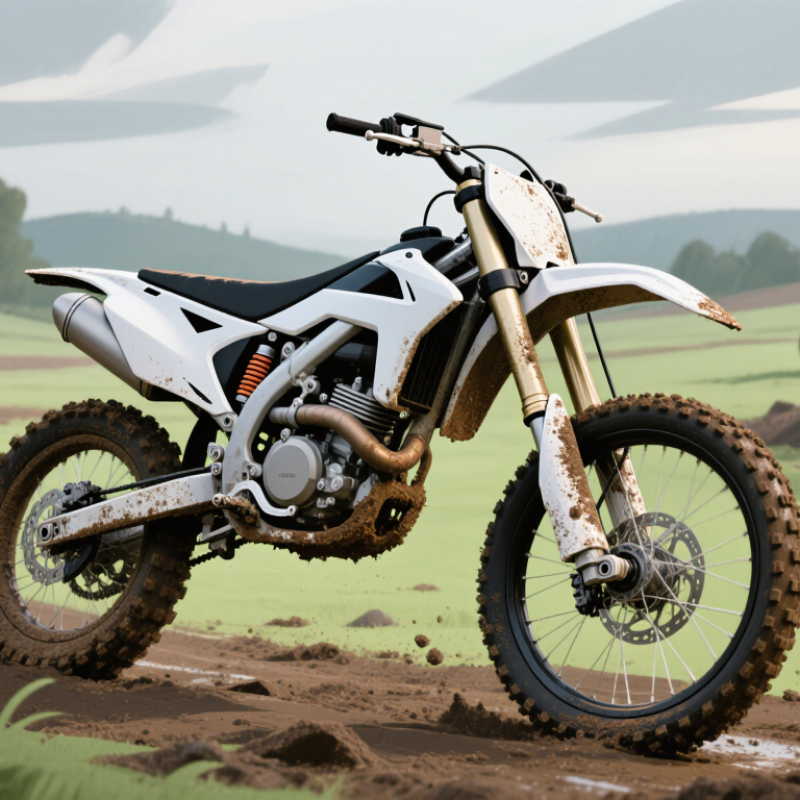
Automatic Motocross Bikes Defined: Clutch-Free Control and Power Delivery
Why Choose an Automatic Motocross Bike?
Automatic motocross bikes replace manual clutch work with electronic or continuously variable power delivery. The rider controls speed mainly through throttle input, body position, and braking. That changes the experience quickly. On a muddy uphill, there is no clutch lever to feather. Power stays connected when both hands focus on steering. The 2023 Motorcycle Industry Council industry study reported 9.2 million U.S. households owned a motorcycle. That large riding community increases demand for simpler controls and more accessible learning paths.
Automatic control can also reduce mistakes during starts, tight turns, and sudden terrain changes. A technical review published through SAE International links automated shifting systems with smoother torque management and reduced driver workload. The benefit feels practical. You can stand on the pegs, absorb a braking bump, and keep your right hand steady. Electric motocross development adds another advantage: instant torque and fewer mechanical interruptions. Still, delivery can feel unusual. Some riders miss the engine braking and rhythm of manual gear changes. I do too, sometimes.
An automatic bike is not effortless. Throttle discipline remains essential, especially on loose soil. A small wrist movement can spin the rear wheel. The 2024 FIM environmental and technical guidance also emphasizes noise, equipment condition, and controlled competition use. Those standards reinforce a professional point: clutch-free control improves focus, but it does not replace training. Practice should include hill starts, corner exits, and emergency braking. Short sessions work better. Progress is rarely perfectly smooth.
Automatic motocross bikes remove the need for a manually operated clutch lever and rider-controlled gear changes. This reduces the number of drivetrain controls that must be coordinated during starts, jumps, corner exits, and uneven-terrain sections, allowing the rider to focus more on throttle, body position, braking, and line choice.
FIM 250cc and 450cc Rules Show What Conventional Race Bikes Demand
Why Choose an Automatic Motocross Bike?
FIM motocross rules reveal how demanding conventional race bikes can be. In four-stroke competition, the MX2 class allows engines up to 250cc, while the MXGP class reaches 450cc. These limits create different power levels, but both classes demand precise rider control. A manual gearbox, clutch, throttle, and rear brake must work together through every corner. A missed shift can ruin a clean exit.
On a 250cc bike, riders often protect momentum. The engine rewards accurate gear selection and smooth corner speed. A 450cc bike produces stronger drive, so throttle control becomes even more important. I have felt the difference on loose ground: one careless twist can break traction instantly. The rider must manage body position while selecting the next gear, often within seconds. It is effective, but tiring.
An automatic motocross bike changes that workload. It may let the rider focus more on lines, balance, braking, and landing position. This can help beginners and riders with limited hand strength. However, automatic designs may feel unfamiliar on starts, jumps, and slippery climbs. Regulation details also matter. Competition eligibility can depend on current FIM and event rules, not just engine size. That is the part many buyers overlook. The simpler choice is not always the faster one.
Honda CRF50F Data: 49cc, Three-Speed, Automatic-Clutch Learning
Why Choose an Automatic Motocross Bike?
A 49cc automatic motocross bike gives beginners a manageable way to learn off-road control. Its small engine responds gently, which helps riders focus on balance, braking, and body position. During practice, the three-speed gearbox introduces gear selection without demanding constant clutch work. The automatic clutch reduces one common beginner mistake: releasing the lever too quickly. Riders can watch the trail instead of staring at their hands.
The three-speed layout still teaches useful mechanical habits. First gear suits slow starts and tight turns. Second gear feels practical on firm, open ground. Third gear supports smoother travel when conditions allow. This progression builds timing through repetition. It is not completely effortless. Beginners still need to control throttle pressure carefully, especially on loose soil or slight slopes. A light twist can change traction faster than expected.
In supervised training, the 49cc engine can make mistakes easier to manage, but it cannot remove them. Riders should check chain tension, tire pressure, brakes, and throttle movement before each session. Protective equipment remains important, even at low speed. I also find the automatic clutch slightly limits early clutch-feel development. That may require later practice on a manual model. Still, for a young or cautious learner, three speeds and automatic clutch operation create a clear starting point with fewer controls competing for attention. Loose gravel changes the lesson. Calm inputs matter.
Why Choose an Automatic Motocross Bike? - Honda CRF50F Data: 49cc, Three-Speed, Automatic-Clutch Learning
| Engine Type | Air-cooled, four-stroke, single-cylinder engine |
| Engine Displacement | 49 cc |
| Fuel System | Carburetor |
| Transmission | Three-speed transmission with an automatic centrifugal clutch |
| Starting System | Kick starter |
| Final Drive | Chain drive |
| Front Suspension | Telescopic fork with approximately 3.5 inches of travel |
| Rear Suspension | Single rear shock with approximately 2.4 inches of travel |
| Front Brake | Drum brake |
| Rear Brake | Drum brake |
| Front Tire Size | 2.50-10 |
| Rear Tire Size | 2.75-10 |
| Seat Height | 21.6 inches (approximately 548 mm) |
| Wheelbase | 32.5 inches (approximately 826 mm) |
| Fuel Tank Capacity | 0.8 US gallons (approximately 3.0 liters) |
| Curb Weight | Approximately 110 pounds (approximately 50 kg) |
| Learning Benefit | Automatic clutch operation reduces the need for manual clutch control while riders learn throttle, braking, balance, and gear selection. |
| Typical Rider Profile | Beginner and youth riders using a closed-course, supervised training environment |
Specifications may vary slightly by model year and market. Always verify the owner’s manual and follow applicable safety requirements.
Honda CRF110F Data: 109cc and Four-Speed Semi-Automatic Progression
Why Choose an Automatic Motocross Bike?
A 109cc engine offers a manageable starting point for young or developing riders. Its compact displacement delivers predictable acceleration without overwhelming the throttle hand. In practical riding, that matters when entering a loose corner or climbing a narrow trail. The four-speed semi-automatic transmission also reduces clutch workload. Riders shift with the foot, while the system handles clutch engagement. It feels simpler than a manual bike.
The progression between four gears helps riders build useful control gradually. First gear provides steady pull for slow practice and tight turns. Higher gears allow smoother speed increases on open dirt. I have found this layout less distracting during early sessions. The rider can focus on body position, braking, and line choice. That separation supports safer learning and clearer feedback. Still, “automatic” can be misleading. The rider must select gears correctly and manage speed carefully.
A 109cc platform is not only for beginners. Its light response can help experienced riders practice balance and throttle precision. However, it may feel limited on steep hills or deeper terrain. That limitation deserves honest attention. Engine output depends on rider weight, surface conditions, maintenance, and gearing. Regular checks of the chain, brakes, tires, and oil remain essential. A small engine is forgiving, not maintenance-free. The semi-automatic design simplifies operation, but it cannot replace thoughtful instruction or protective riding equipment.
Stark VARG Data: 60 kW Electric Output Without a Traditional Gearbox
A 60 kW electric motocross bike can deliver strong, immediate power without a traditional gearbox. There is no clutch lever to pull or gear change to time before a steep climb. Twist the throttle, and the motor responds directly. On a rough track, that simpler control can leave more attention for choosing a line and keeping the front wheel steady.
The difference is easy to picture at the start gate: less engine noise, no shifting through gears, and a quick surge as the bike moves forward. Power delivery can be adjusted to suit the rider and conditions, but 60 kW is substantial output. It still demands careful throttle control, especially on loose dirt or in tight corners. Electric does not mean effortless.
There are trade-offs. Without a gearbox, riders lose the familiar rhythm of shifting, and some may miss the extra control that comes with selecting a gear. Battery level and charging time also affect a riding day. A short test ride may not reveal every detail. The feel takes adjustment. For riders comparing automatic motocross bikes, the key question is whether direct electric response suits their terrain, pace, and habits.
 Skip to content