How to Set and Achieve Our Carbon Emissions Goals Effectively?
In today's world, addressing climate change and reducing our environmental footprint has never been more urgent. One of the most critical steps organizations, nations, and individuals can take is to set and achieve their carbon emissions goals. These objectives not only demonstrate a commitment to sustainability but also play a vital role in mitigating the impacts of global warming. By prioritizing carbon emissions goals, we can contribute to a healthier planet while also complying with increasingly stringent regulations and expectations from stakeholders.
Establishing effective carbon emissions goals requires a strategic approach that encompasses measurable targets, realistic timelines, and a clear understanding of our current emissions landscape. This process often involves a detailed assessment of existing practices, resource allocation, and the engagement of stakeholders at all levels. Achieving these goals is not merely a matter of intention; it necessitates a comprehensive framework that fosters accountability, innovation, and collaboration across various sectors. As we navigate the complexities of climate action, understanding the nuances of setting and attaining carbon emissions goals will be crucial for creating a sustainable future for generations to come.

Understanding Carbon Emissions and Their Impact on the Environment
Understanding carbon emissions is crucial for addressing climate change and its broad environmental impacts. Carbon dioxide (CO2) accounts for approximately 76% of total greenhouse gas emissions from human activities, primarily due to fossil fuel combustion for energy, transportation, and industrial processes. According to the Intergovernmental Panel on Climate Change (IPCC), global CO2 emissions need to be reduced by about 45% by 2030 compared to 2010 levels to limit global warming to 1.5 degrees Celsius.
The environmental consequences of rising carbon emissions are severe, contributing to extreme weather events, rising sea levels, and ecosystem degradation. The National Oceanic and Atmospheric Administration (NOAA) reports that the last decade witnessed unprecedented increases in global temperatures, with 2020 being one of the hottest years on record. Additionally, a study published in the journal Nature highlights that if emissions continue at the current rate, we could witness a dramatic decline in biodiversity, threatening countless species and disrupting ecosystems essential for human survival.
It is imperative for governments, businesses, and individuals to understand the sources and impacts of carbon emissions to develop effective strategies for reduction. Engaging in comprehensive carbon accounting and setting science-based targets can not only enhance sustainability practices but also foster a collective responsibility toward mitigating climate change and preserving the planet for future generations.
Setting Realistic Carbon Emission Reduction Targets for Organizations
Setting realistic carbon emission reduction targets is crucial for organizations aiming to make a meaningful impact in the fight against climate change. A well-defined goal provides a clear direction and enables companies to measure their progress. When setting targets, it's important to consider the specific industry, operational scale, and existing emissions levels. Goals should be ambitious yet achievable, aligning them with scientific recommendations to limit global warming.
Tips for effective target setting include conducting a thorough emissions inventory that identifies key sources of carbon output. This process will facilitate the setting of specific reduction percentages for various operational areas. Additionally, organizations should engage stakeholders in the target-setting process, ensuring that employees understand the goals and feel a sense of ownership. Another useful strategy is to set intermediate milestones to keep progress in check, allowing for adjustments if necessary.
Finally, transparent reporting is essential for accountability. Organizations should develop regular updates on their progress against the targets set. This not only fosters trust with stakeholders but also encourages a culture of continuous improvement in carbon management practices. By integrating these strategies, organizations can set realistic and impactful carbon emission reduction targets that drive meaningful change.
Carbon Emission Reduction Targets for Organizations (2023)
Developing Strategies to Monitor and Measure Carbon Emissions Progress
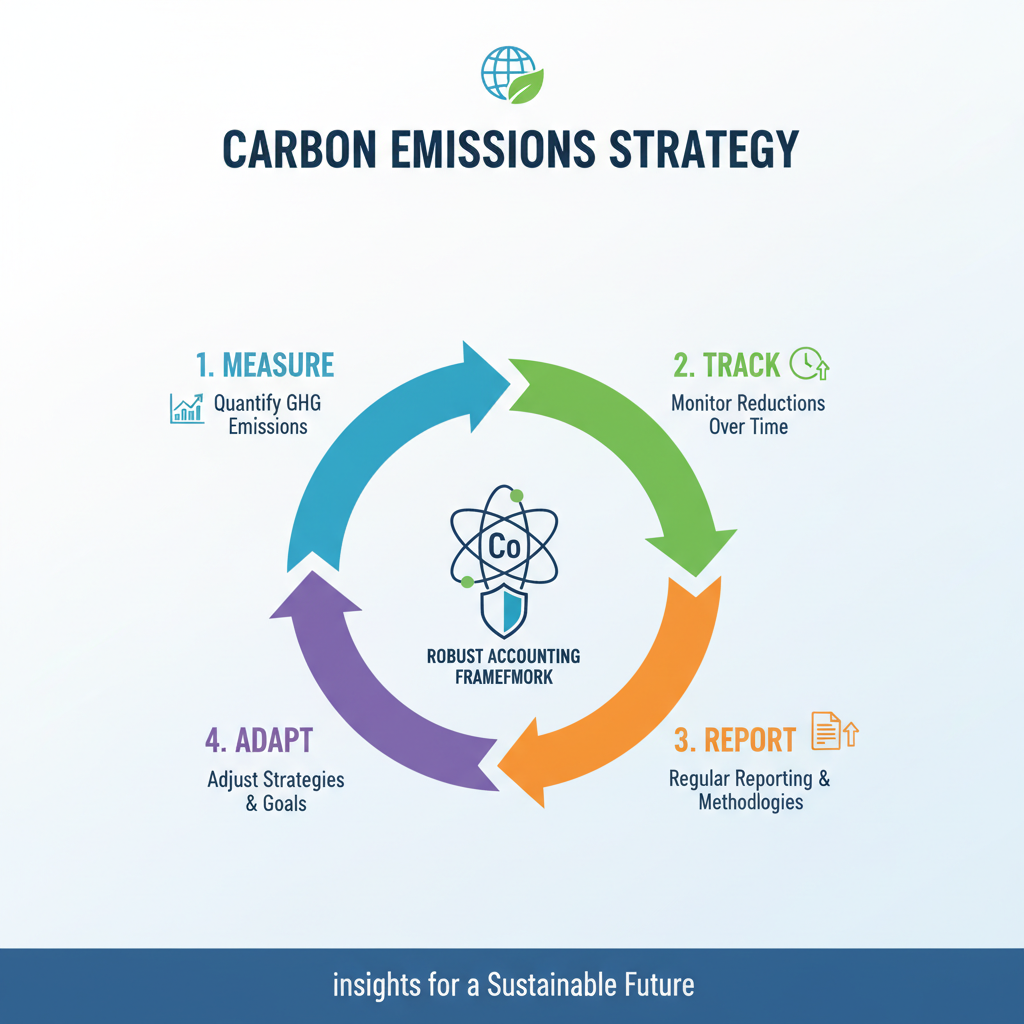
In pursuing effective carbon emissions goals, organizations must develop robust strategies to monitor and measure their progress. A comprehensive framework for carbon accounting is essential; this involves not only quantifying greenhouse gas emissions accurately but also tracking reductions over time. By implementing regular reporting and adopting established methodologies, organizations can gain insights into their emissions profile and adjust their strategies accordingly.
Tips: Start by conducting a carbon footprint assessment to establish a baseline. Utilize tools and software that streamline the tracking of emissions data. Ensure transparency in reporting emissions to stakeholders, which fosters accountability and allows for comparisons within industries.
Furthermore, benchmarking against industry standards is crucial. Analyzing corporate sustainability disclosures from leading companies can provide valuable insights into effective practices and innovative strategies. Engaging with international bodies focused on sustainability can also enhance knowledge and support in achieving specific goals, such as net-zero emissions targets in sectors like aviation. Clarity in measurement and consistency in reporting will enhance progress toward not only meeting but exceeding carbon emissions goals.
Tips: Share progress reports with stakeholders to maintain engagement and encourage best practices within your organization. Consider collaborating with others in your industry to develop shared sustainability goals that can amplify collective impact.
Engaging Stakeholders in Achieving Carbon Emissions Goals
Engaging stakeholders is crucial for the successful achievement of carbon emissions goals. Identifying key stakeholders—such as employees, customers, suppliers, and local communities—helps build a comprehensive support system. Involving these groups fosters a sense of ownership and accountability. For instance, companies can organize workshops and discussions to educate stakeholders about the importance of carbon reduction and the specific goals set by the organization.
This dialogue not only raises awareness but also encourages collaborative efforts that can lead to innovative solutions and best practices in sustainability.
Furthermore, maintaining ongoing communication with stakeholders is essential. Regular updates on progress, challenges, and successes can enhance transparency and trust. Utilizing various media channels, such as newsletters and social media, can help keep the conversation alive and engage a broader audience. Additionally, creating forums for feedback allows stakeholders to share their views and contribute ideas, ensuring that diverse perspectives are considered in the decision-making process. In turn, this inclusivity can lead to stronger commitment and support from all parties involved, ultimately driving the collective effort towards achieving carbon emissions goals.
Utilizing Technology and Innovation for Effective Carbon Management
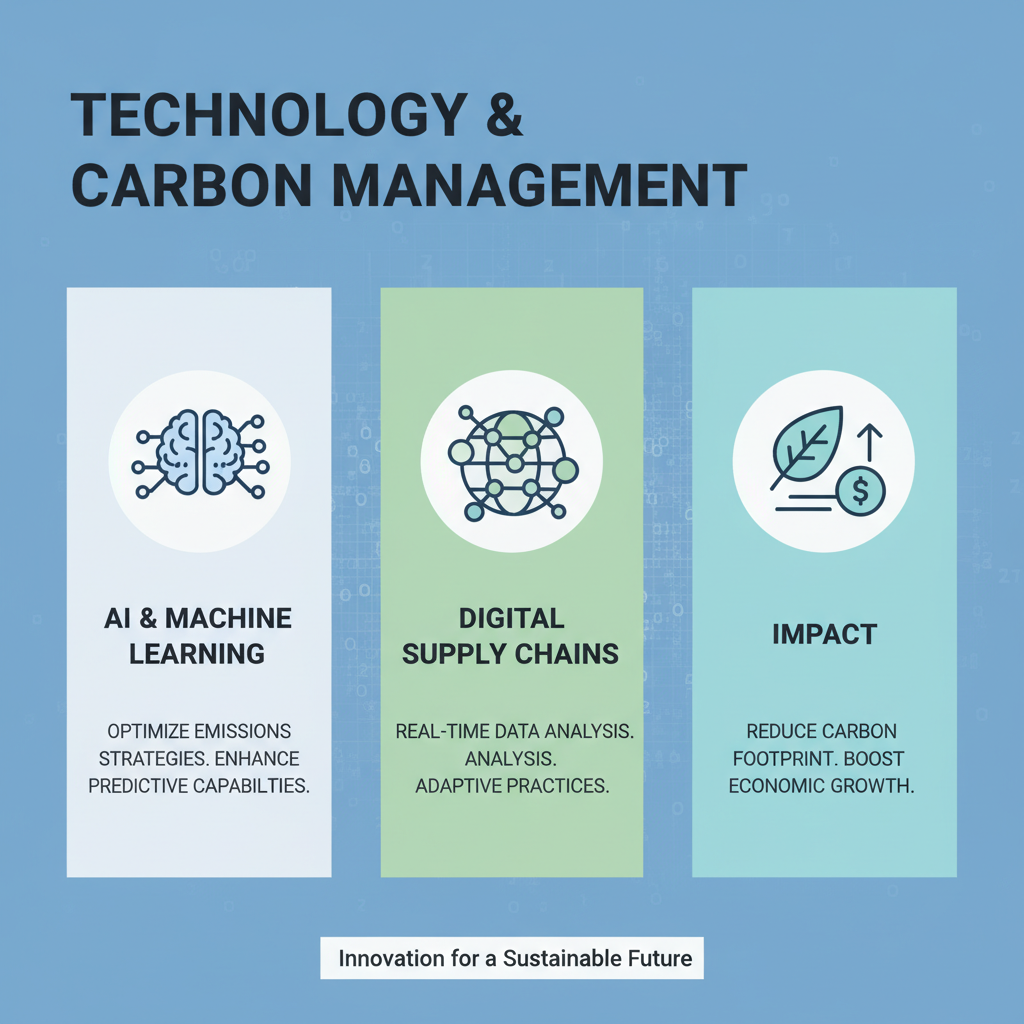
In the contemporary landscape of climate change, leveraging technology and innovation is essential for effective carbon management. Digital technologies, such as artificial intelligence and machine learning, play a pivotal role in optimizing carbon emissions strategies. Research indicates that these technologies can enhance predictive capabilities, making it possible for organizations to analyze data and adapt their practices in real-time. As companies digitize their supply chains, they discover efficiencies that can significantly reduce their carbon footprints while bolstering economic growth.
Tips for Effective Carbon Management:
- Invest in AI and machine learning to identify emissions sources accurately and enhance predictive analytics for better decision-making.
- Embrace digital supply chain solutions to streamline operations, minimize waste, and align economic objectives with sustainability goals.
The development of
revolutionary carbon capture technologies marks a critical advancement in combating climate change. Innovations such as enhanced filtration methods not only improve the efficiency of carbon capture but also allow for the potential reuse of emissions, transforming liabilities into assets. The integration of digital innovations in agriculture can similarly drive significant reductions in carbon emissions, demonstrating the breadth of technology’s impact across sectors.
 Skip to content