10 Simple Tips to Reduce Carbon Emissions in Your Daily Life
As the urgent challenge of climate change continues to escalate, the need for individuals to take action in reducing carbon emissions has never been more critical. According to the Intergovernmental Panel on Climate Change (IPCC), global carbon emissions must be halved by 2030 to limit global warming to 1.5 degrees Celsius. In this context, everyday lifestyle choices can significantly contribute to this goal, highlighting the importance of individual responsibility in the collective fight against climate change.
Recent studies indicate that approximately 70% of global greenhouse gas emissions can be traced back to individual consumption choices. This emphasizes the potential impact that small changes in our daily habits can have on carbon emissions. By adopting straightforward strategies—ranging from altering transportation methods to minimizing energy use—we can collectively mitigate our carbon footprint.
Recognizing this potential, our focus will be on ten simple yet effective tips that can seamlessly integrate into daily routines. By understanding the implications of our actions and making conscious decisions, we not only contribute to a more sustainable future but also inspire others to join in the effort against climate change. Reducing carbon emissions starts with us, and every small step counts toward a healthier planet.
Understanding Carbon Emissions and Their Impact on the Environment
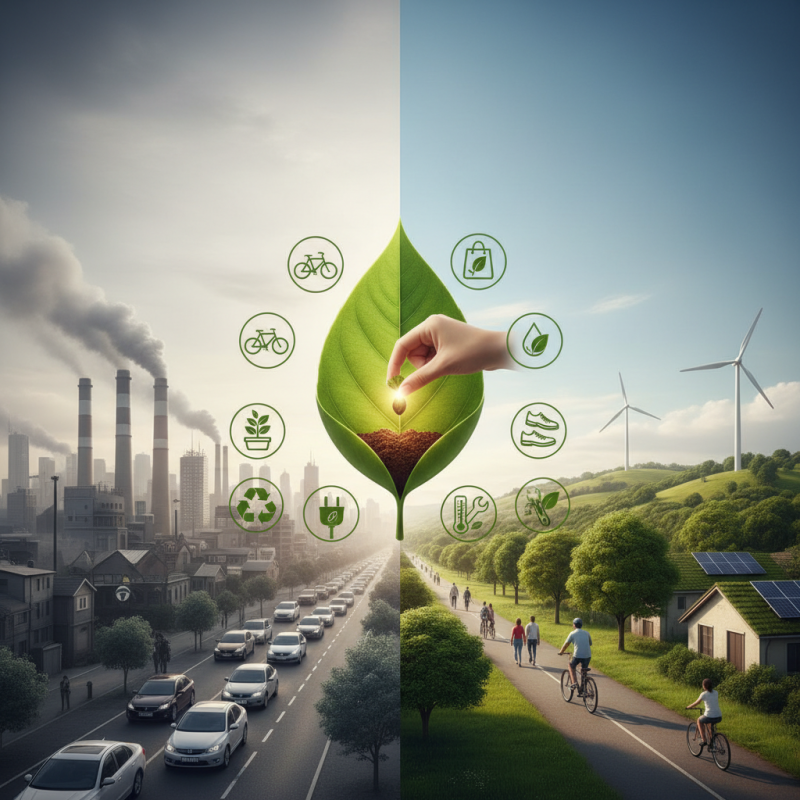
Carbon emissions refer to the release of carbon dioxide (CO2) and other greenhouse gases into the atmosphere, primarily from human activities such as burning fossil fuels, deforestation, and industrial processes. These emissions contribute significantly to global warming and climate change, leading to adverse environmental impacts, such as extreme weather events, sea-level rise, and loss of biodiversity. Understanding the sources and effects of carbon emissions is crucial for fostering a more sustainable lifestyle.
One practical way to reduce your carbon footprint is to adopt more efficient transportation methods. Choosing to walk, bike, or use public transport instead of driving can significantly lower your emissions. Additionally, minimizing your energy consumption at home by using energy-efficient appliances and switching off lights when not in use can also make a real difference.
Another effective tip is to reduce meat consumption, as livestock production is a major contributor to greenhouse gas emissions. Incorporating more plant-based meals into your diet not only benefits your health but also helps the environment. Lastly, support local and sustainable products to reduce the carbon emissions associated with long-distance transportation. These small but significant lifestyle changes can collectively lead to a healthier planet.
Assessing Your Carbon Footprint: Tools and Techniques
Assessing your carbon footprint is the first step towards making a positive impact on the environment. Tools and techniques such as carbon footprint calculators can help you understand how your daily activities contribute to greenhouse gas emissions. According to a report by the Carbon Trust, individuals' carbon footprints can vary widely depending on lifestyle choices, with average emissions ranging between 4.5 to 14 tons of CO2 annually. By using calculators available online, you can input data about your transportation methods, energy consumption, and waste habits to gain insights into your current emissions levels.
Moreover, understanding the components of your carbon footprint can guide you in implementing effective reduction strategies. For instance, the Global Carbon Project noted that transportation accounted for approximately 24% of global CO2 emissions in 2021. By analyzing your commute patterns and opting for public transport, carpooling, or cycling, you can significantly cut down on emissions. Similarly, adjustments in home energy use, like switching to energy-efficient appliances or renewable energy sources, can lower household emissions considerably. Utilizing these assessment tools not only raises awareness about personal contributions to climate change but also empowers individuals to take actionable steps towards a more sustainable lifestyle.
Simple Lifestyle Changes to Minimize Energy Consumption
Making simple lifestyle changes can significantly minimize energy consumption and reduce your carbon footprint. Start by re-evaluating your daily routines and opting for
energy-efficient alternatives. For instance, consider adjusting your thermostat a few degrees lower in winter and a few degrees higher in summer. Such small adjustments can lead to substantial energy savings over time.
Additionally, switch to LED lighting, which uses up to 75% less energy than traditional incandescent bulbs, providing similar brightness with a fraction of the electricity.
Another effective way to reduce energy consumption is to reduce water usage. Simple practices like taking shorter showers, fixing leaks promptly, and using cold water for laundry can make a big difference.
Also, embrace the power of natural light by opening curtains during the day instead of relying on artificial lighting, thus reducing the need for electricity.
Finally, incorporate walking, biking, or using public transportation into your daily routine instead of driving everywhere;
not only does this cut down on fossil fuel consumption, but it also promotes a healthier lifestyle.
By making these straightforward yet impactful adjustments, you can contribute to a more sustainable future.
Eco-Friendly Transportation Options for Daily Commutes
Eco-friendly transportation options play a vital role in reducing carbon emissions associated with daily commutes. According to a report from the International Energy Agency (IEA), transportation contributes about 24% of global CO2 emissions, with road vehicles being the largest contributors. By opting for greener commute methods, individuals can significantly lower their carbon footprint. For instance, switching from a conventional car to a bicycle can reduce carbon emissions by approximately 0.5 kg per mile, while also promoting personal health and well-being.
Public transportation is another excellent alternative, as studies show that buses and trains emit significantly less CO2 per passenger mile compared to single-occupancy vehicles. The American Public Transportation Association indicates that public transit saves approximately 45 million metric tons of CO2 annually, equivalent to the emissions of more than 9 million cars. Moreover, carpooling initiatives can further amplify these benefits by maximizing vehicle occupancy, thus lowering overall emissions per traveler.
Choosing to walk or use e-scooters for shorter distances not only enhances urban mobility but also contributes to cleaner air and reduced traffic congestion. By integrating these eco-friendly practices into daily life, commuters can make a substantial impact in the fight against climate change.
Sustainable Eating Habits: Choosing Local and Plant-Based Foods
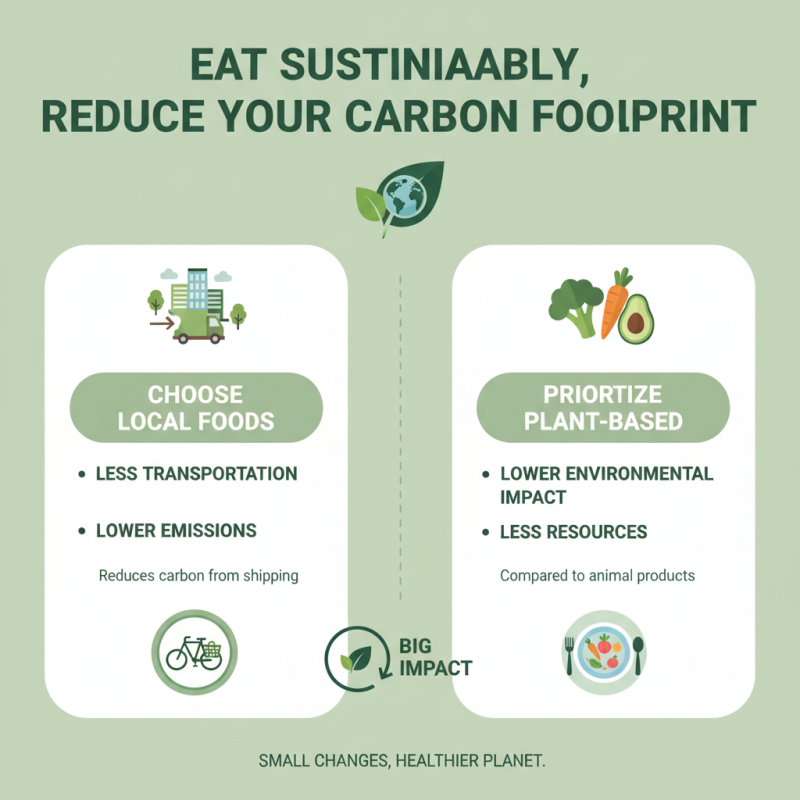
Sustainable eating habits are crucial in mitigating carbon emissions, and making conscious choices about what we consume can have a significant impact. One effective way to reduce your carbon footprint is by opting for local and plant-based foods. Local foods typically require less transportation, thereby significantly reducing the carbon emissions associated with shipping products over long distances. Additionally, plant-based diets generally have a lower environmental impact compared to diets rich in animal products, making them a more sustainable choice.
To incorporate local and plant-based foods into your diet, start by visiting farmers' markets or local grocery stores that emphasize regional produce. This not only supports local agriculture but also ensures that you are consuming fresher, in-season ingredients. Another tip is to experiment with meatless meals at least a few times a week. By replacing animal proteins with plant-based sources such as legumes, grains, and vegetables, you can enjoy a variety of flavors while simultaneously reducing your dietary carbon emissions.
Moreover, consider growing your own herbs and vegetables if space allows. Even a small balcony can host a few pots of herbs or salad greens. This not only cuts down on food miles but also enhances your connection to food and nature. By adopting these practices, you contribute to a healthier planet while nourishing yourself with wholesome, locally-sourced, and sustainable foods.
 Skip to content