Top 5 Innovative Technologies for Reducing Carbon Emissions in 2023
As concerns over climate change intensify, the urgency for innovative solutions to reduce carbon emissions has never been greater. In 2023, technological advancements offer promising avenues for businesses and individuals alike to contribute to the vital effort of reducing carbon emissions that threaten our planet. From renewable energy systems to cutting-edge carbon capture technologies, the potential for innovation is limitless, paving the way for a sustainable future.
In this article, we delve into the top five innovative technologies that are making significant strides in the quest for sustainability. Each technology not only highlights groundbreaking research and development but also emphasizes practical applications across various industries. By adopting these advancements, organizations can not only comply with increasingly stringent regulations but also leverage them as opportunities for growth and efficiency.
Ultimately, the goal of reducing carbon emissions is one that requires collective action and the integration of innovative solutions. In the following sections, we will explore how these technologies can help reshape our approach to energy consumption and environmental stewardship, fostering a greener planet for generations to come.
Innovative Carbon Capture Technologies Transforming Emission Reduction by 2025
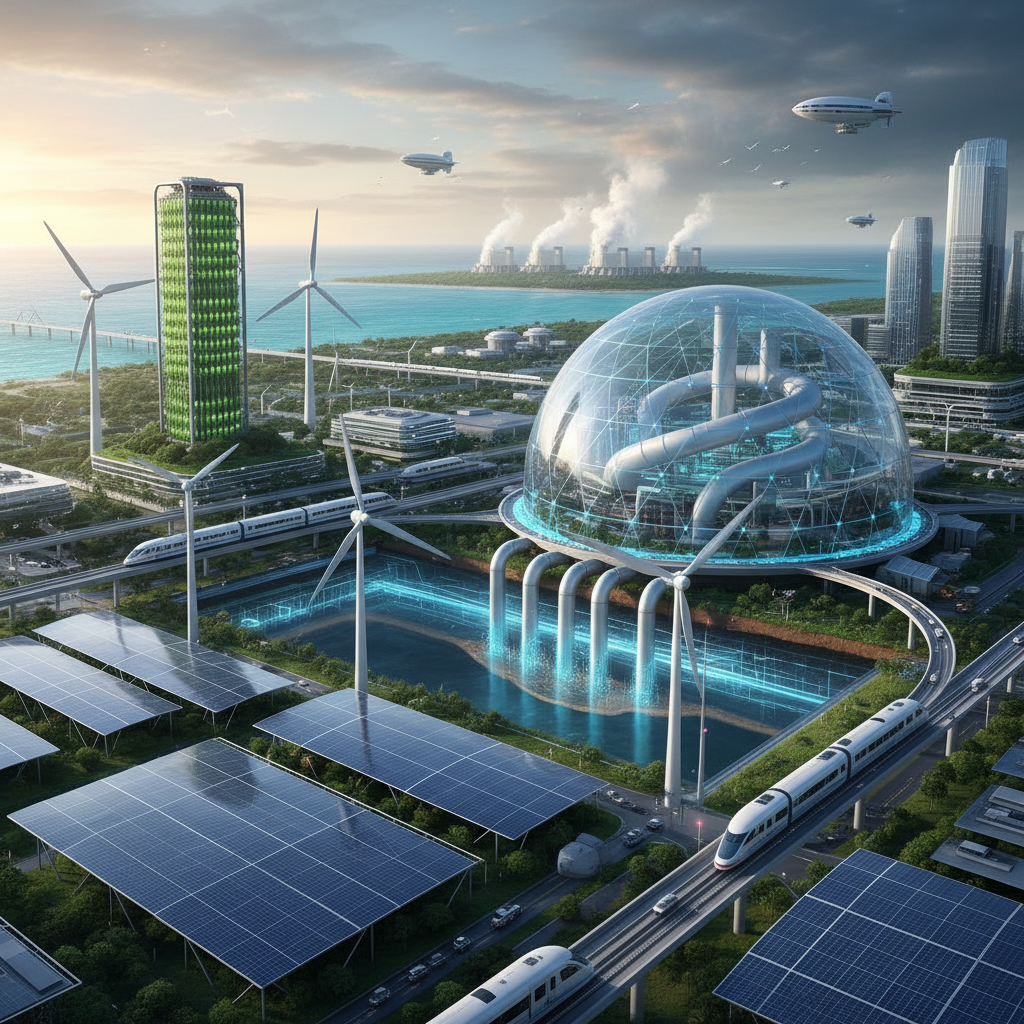
In 2023, innovative carbon capture technologies are making significant strides in transforming the landscape of emission reduction. These advanced methods aim to directly capture carbon dioxide from various sources, including industrial processes and power generation, thereby preventing harmful greenhouse gases from entering the atmosphere. One of the most promising approaches involves the use of direct air capture systems that utilize chemical reactions to absorb CO2 from the air, allowing for large-scale removal and storage of the gas. This technology not only helps mitigate climate change but also offers a pathway to achieve net-zero emissions.
Another groundbreaking development is the integration of carbon capture with renewable energy systems. For instance, CO2 can be captured from biomass energy production, creating a closed-loop system that reduces overall emissions while generating clean energy. Emerging technologies, such as bioenergy with carbon capture and storage (BECCS), are expected to play a crucial role in achieving climate goals by 2025. These innovative solutions not only enhance sustainability but also promote economic growth by creating new job opportunities in the green technology sector, ultimately paving the way for a cleaner, more sustainable future.
Future Energy Solutions: Harnessing Solar Power for Sustainable Growth
The increasing urgency to combat climate change has propelled solar power into the spotlight as a leading solution for sustainable energy growth. In 2023, advancements in photovoltaic technology have made solar energy more efficient and affordable than ever before. Innovations such as bifacial solar panels and advanced solar tracking systems enhance energy capture, maximizing the output from sunlight. This not only reduces dependency on fossil fuels but also exemplifies how evolving technologies can contribute to lowering carbon emissions significantly.
Furthermore, the integration of solar power into smart grids allows for better energy management and distribution. These systems utilize artificial intelligence to predict demand and optimize the use of solar energy, ensuring that it is harnessed effectively throughout the day. Community solar projects also empower local users, enabling them to participate in renewable energy generation without the need for individual solar installations. As cities seek to transition to cleaner energy sources, harnessing solar power presents a viable pathway towards a sustainable and resilient energy future.
Advancements in Electric Vehicle Technology to Reduce Urban Carbon Footprint
Advancements in electric vehicle (EV) technology are crucial in the effort to reduce urban carbon footprints. The global off-highway electric vehicle market is on an upward trajectory, with its size projected to grow from $15.41 billion in 2025 to a remarkable $45.23 billion by 2030. Similarly, the micro electric vehicle market, estimated at $9.84 billion in 2024, is anticipated to nearly double, reaching $20.26 billion by 2030. This surge reflects a growing recognition of the necessity for innovative solutions to combat the environmental impacts of urban transport.
Moreover, the integration of electric turbochargers in hydrogen internal combustion engines within hybrid electric vehicles is advancing both performance and sustainability. These technologies not only enhance efficiency but also play a significant role in reducing greenhouse gas emissions. As transportation remains a major contributor to global emissions—accounting for approximately one-third of U.S. greenhouse gas emissions—the transition towards EVs represents a viable pathway towards a low-carbon future. The confluence of AI and smart technologies further optimizes urban transport systems, supporting sustainable mobility efforts and illustrating a promising direction for achieving significant emissions reductions.
Smart Building Innovations for Enhanced Energy Efficiency and Emission Control
In 2023, the shift towards smart building innovations is paramount for enhancing energy efficiency and reducing carbon emissions. The global trend towards green smart transformation in construction is accelerating, with the building management systems market expected to reach $19.8 billion by 2024. This growth is driven by an increasing focus on sustainability and energy efficiency, leading to a compound annual growth rate (CAGR) of over 15.3% from 2025 to 2034.
One significant advancement lies in the development of energy-efficient windows and smart building management systems. Innovations in electrochromic glazing and temperature-controlled technologies are poised to enhance indoor comfort while maximizing energy savings. The integration of AI in building operations is also linking sustainability goals with operational efficiencies, facilitating better energy management and emission controls.
Tip: For homeowners and businesses, upgrading to smart building technologies not only helps in carbon footprint reduction but can also provide long-term cost savings on energy bills. Engaging in energy-efficient practices today ensures a sustainable future tomorrow, paving the way for a broader adoption of innovative technologies in the construction sector.
AI and Machine Learning in Optimizing Renewable Energy Usage and Emissions Management
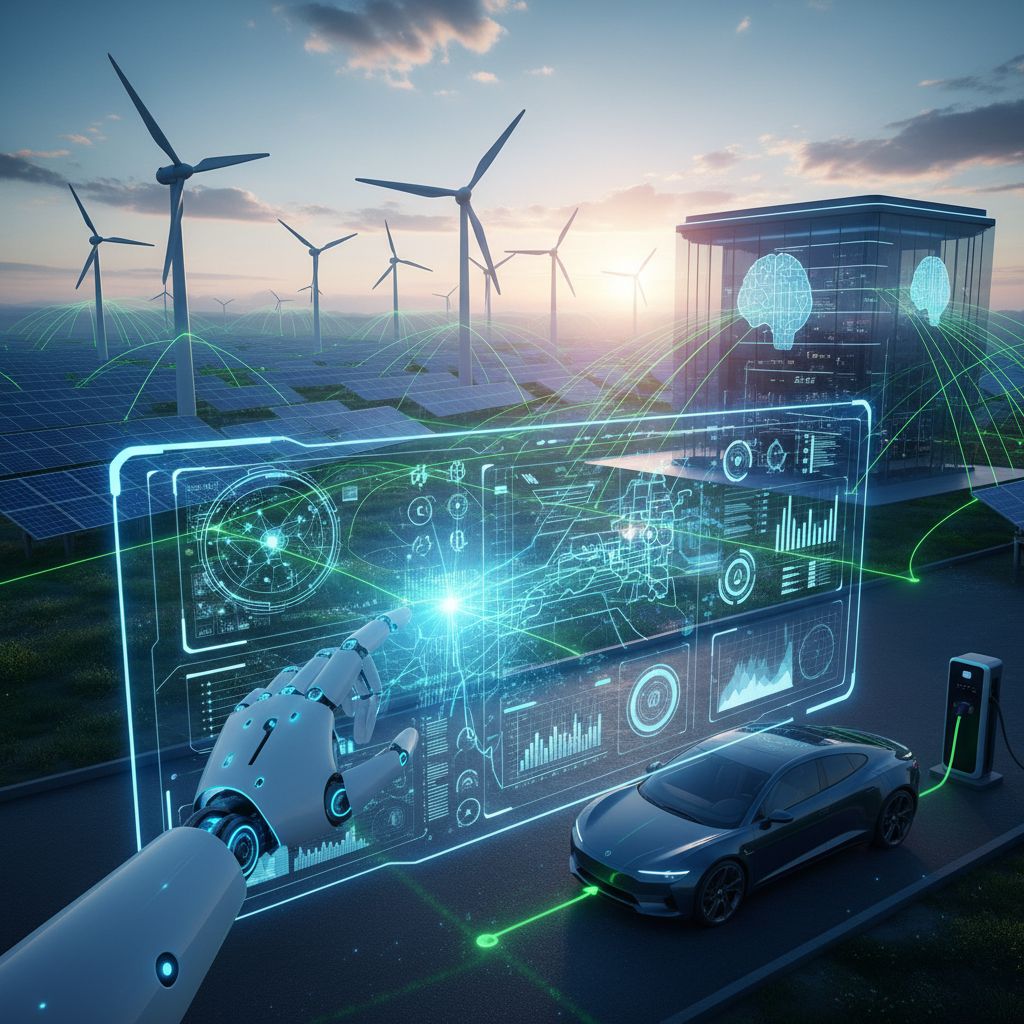
In 2023, the integration of AI and machine learning technologies has become pivotal in optimizing renewable energy usage and enhancing emissions management. These technologies facilitate real-time data analysis, enabling businesses to efficiently manage energy consumption and integrate renewable sources into their operations. By leveraging predictive analytics, organizations can anticipate energy demands, adjust usage patterns, and significantly reduce carbon footprints. This optimization not only promotes cleaner energy practices but also leads to substantial cost savings for companies striving for operational efficiency.
The global market for AI-driven energy management solutions is experiencing unprecedented growth, as the demand for energy efficiency continues to rise across various sectors. As companies face increasing pressure to lower operational costs and minimize environmental impacts, AI technologies are proving essential in achieving these objectives. With forecasts pointing to a significant expansion in markets related to green data centers and cloud energy solutions, the deployment of innovative AI systems will likely play a crucial role in addressing global energy challenges and fostering sustainable practices in the years to come.
 Skip to content