Understanding the Impact of Carbon Emissions on Climate Change and Our Future
Carbon emissions are one of the most pressing challenges facing our planet today, significantly contributing to climate change and threatening the sustainability of our future. According to the Intergovernmental Panel on Climate Change (IPCC), global greenhouse gas emissions must be reduced by 45% by 2030 to limit global warming to 1.5 degrees Celsius above pre-industrial levels. As of 2021, carbon emissions reached a record high of 36.4 billion metric tons, underscoring the urgency of addressing this critical issue. Additionally, the World Meteorological Organization reported that the past decade was the hottest on record, largely fueled by rising carbon emissions. These statistics highlight the direct correlation between human activity, including fossil fuel combustion and deforestation, and the escalating climate crisis. Understanding the impact of carbon emissions on our environment is essential for crafting effective policies and fostering sustainable practices that can mitigate this urgent threat and safeguard our planet for future generations.
How Carbon Emissions Contribute to Global Warming and Climate Change
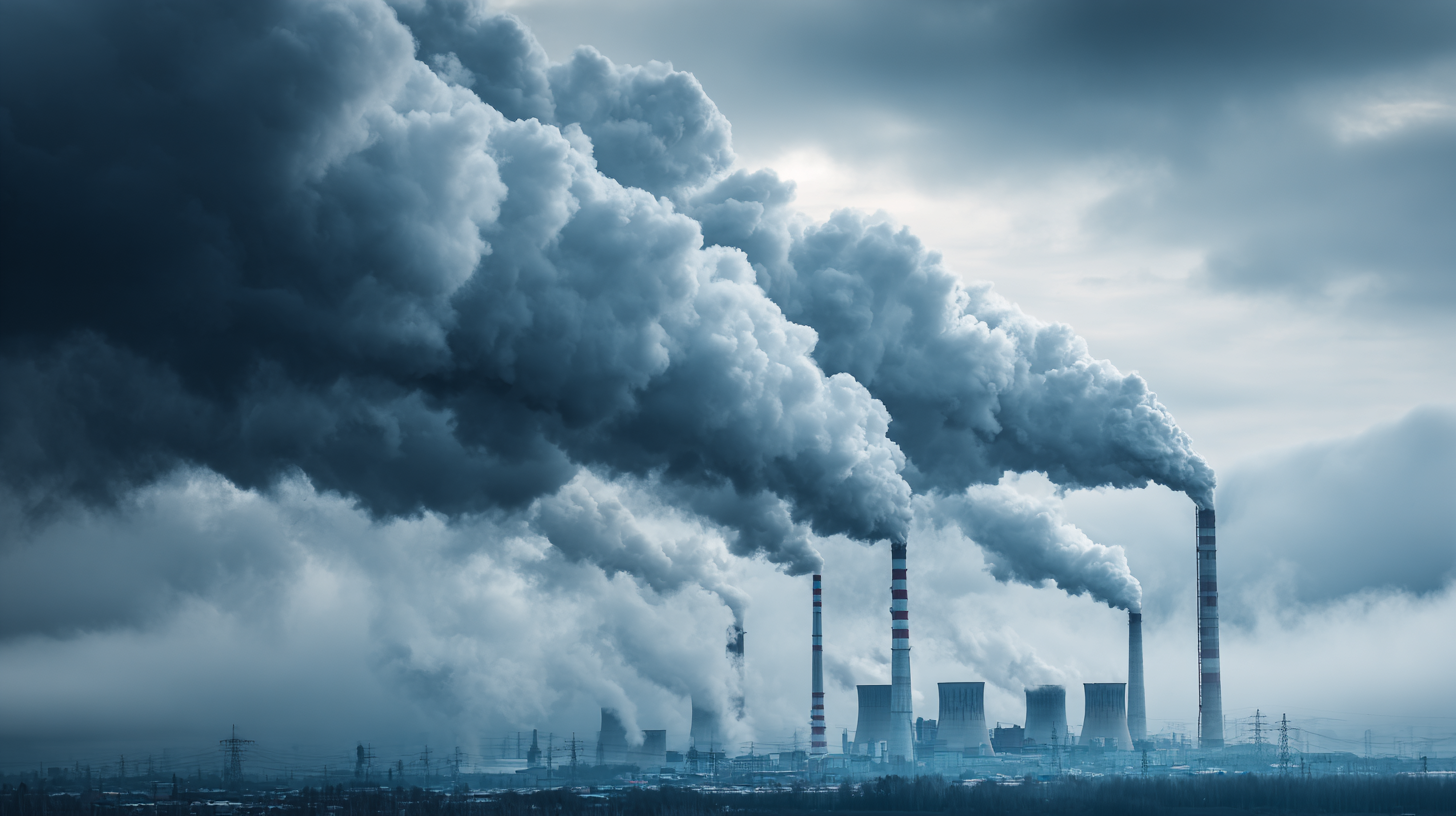
Carbon emissions have a profound influence on global warming and climate change. Primarily produced through the burning of fossil fuels for energy, these emissions release carbon dioxide (CO2) into the atmosphere, trapping heat and contributing to the greenhouse effect. As industrialization has accelerated, so has the concentration of CO2 in our atmosphere, reaching levels unprecedented in human history. This accumulation enhances the planet's natural greenhouse effect, leading to rising temperatures, shifting weather patterns, and increased frequency of extreme weather events.
Furthermore, carbon emissions impact not only the climate but also ecosystems and human health. Rising temperatures disrupt habitats and threaten biodiversity, while increased atmospheric CO2 can lead to ocean acidification, adversely affecting marine life. Additionally, the repercussions of climate change—such as floods, droughts, and heatwaves—pose risks to food security, water resources, and public health. The interconnectedness of carbon emissions and climate change underscores the urgent need for global action to reduce emissions and transition to sustainable energy sources, ensuring a stable and healthy environment for future generations.
Identifying Major Sources of Carbon Emissions in Our Daily Lives
Carbon emissions have become a significant concern in our modern society, influencing not only climate change but also our health and wellbeing. Major sources of carbon emissions can often be traced back to common activities in our daily lives. For instance, transportation is a leading contributor, responsible for nearly 29% of total greenhouse gas emissions in the United States, according to the Environmental Protection Agency. This mainly stems from fuel combustion in cars, trucks, and planes, highlighting the need for cleaner transportation alternatives.
Another substantial source is the residential and commercial sectors, which account for approximately 12% of emissions. Energy consumption for heating, cooling, and electricity in buildings predominantly relies on fossil fuels. The U.S. Department of Energy emphasizes that improving energy efficiency can mitigate these emissions significantly. Simple actions, such as upgrading to energy-efficient appliances or using smart thermostats, can collectively lead to notable reductions in our carbon footprint. Understanding these sources empowers individuals to make informed choices in their daily routines, ultimately fostering a more sustainable future.
Understanding the Impact of Carbon Emissions on Climate Change and Our Future
| Source of Carbon Emissions |
Annual Emissions (Metric Tons) |
Percentage of Total Emissions |
Reduction Potential |
| Transportation |
1,800,000,000 |
29% |
30% by 2030 |
| Electricity Production |
2,200,000,000 |
35% |
50% by 2030 |
| Industrial Processes |
1,200,000,000 |
19% |
25% by 2030 |
| Residential and Commercial |
800,000,000 |
13% |
20% by 2030 |
| Agriculture |
500,000,000 |
8% |
15% by 2030 |
Strategies to Reduce Carbon Footprint at Individual and Community Levels
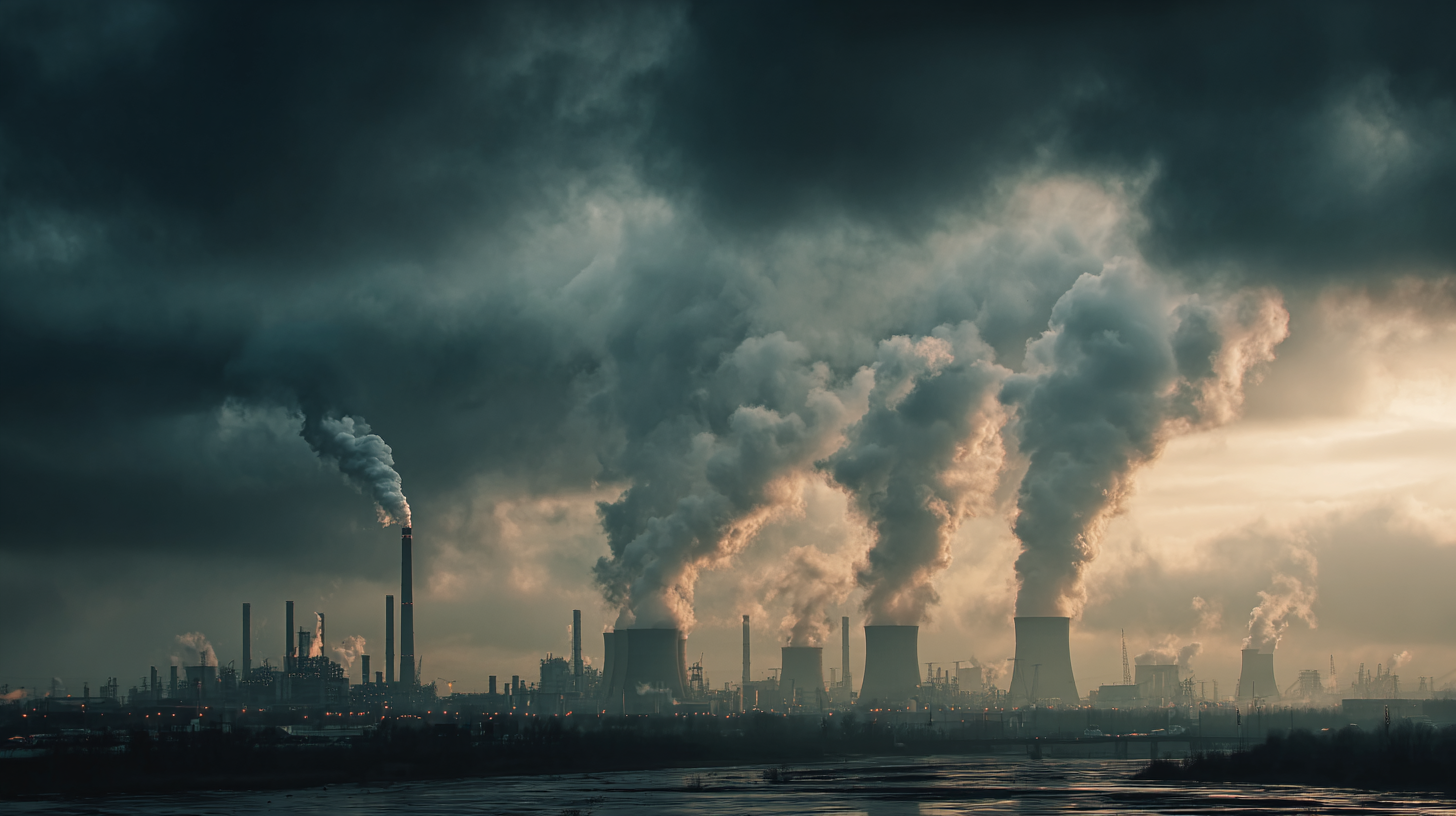 Reducing our carbon footprint is essential for combating climate change, and individuals alongside communities can take significant strides in this effort. At the individual level, one of the most immediate actions is to adopt a more sustainable lifestyle. Simple changes such as using public transportation, cycling, or walking instead of driving can drastically decrease greenhouse gas emissions. Furthermore, reducing energy consumption at home by utilizing energy-efficient appliances and switching to renewable energy sources, like solar panels, can contribute significantly to lowering carbon footprints.
On a community level, the focus can shift toward collective initiatives. Local governments can encourage bike-sharing programs, improve public transit options, and promote green spaces to absorb carbon emissions. Community gardens and urban farming projects not only provide fresh produce but also enhance local biodiversity, which is crucial for environmental health. Education plays a vital role in these strategies; raising awareness about the impact of carbon emissions and the importance of sustainability can empower residents to participate actively in reducing their collective carbon footprint. By working together, individuals and communities can create a more resilient future, significantly mitigating the effects of climate change.
The Role of Renewable Energy in Mitigating Carbon Emissions
Renewable energy plays a crucial role in mitigating carbon emissions, which are a primary contributor to climate change. By harnessing sources like solar, wind, and hydroelectric power, we can significantly reduce our dependency on fossil fuels. Transitioning to renewable energy not only lowers greenhouse gas emissions but also promotes energy independence and creates sustainable job opportunities. Governments and businesses are increasingly investing in renewable technologies, recognizing their potential to address both environmental and economic challenges.
Tips: To reduce your carbon footprint, consider installing solar panels or utilizing wind energy systems at home. Small changes, such as using energy-efficient appliances and prioritizing public transport or cycling over personal vehicles, can also contribute significantly to lowering emissions.
The integration of renewable energy into our daily lives is vital for a sustainable future. As individuals and communities begin to embrace these alternatives, the cumulative effect can be profound. Utilizing local renewable resources not only combats climate change but also enhances resilience against its impacts. This shift towards clean energy solutions is essential in creating a healthier environment for future generations.
Tips: Engage with local renewable energy initiatives or community solar programs to support clean energy growth in your area. Educating yourself and others about the benefits of renewables can inspire collective action toward a greener future.
Future Implications of Continued Carbon Emissions on Our Planet and Societies
The continued increase in carbon emissions poses significant threats to our planet and societies in the future. According to the Intergovernmental Panel on Climate Change (IPCC), global temperatures are projected to rise by 1.5°C above pre-industrial levels between 2030 and 2052 if current trends in emissions persist. This escalation will lead to more frequent and severe weather events, including hurricanes, droughts, and floods, resulting in substantial economic losses and jeopardizing food and water security.
The economic implications are alarming. Research from the National Oceanic and Atmospheric Administration (NOAA) indicates that unmitigated climate change could cost the global economy up to $23 trillion by 2050. Additionally, vulnerable communities will face heightened risks, pushing millions into poverty and exacerbating social inequalities. It is crucial for societies to transition towards sustainable practices, focusing on renewable energy and carbon reduction strategies to avert these dire outcomes.
Tips:
1. Individuals can reduce their carbon footprint by opting for public transportation, cycling, or walking instead of driving.
2. Supporting local and sustainable products can help cut down on emissions caused by transportation and industrial processes.
3. Engaging in community tree-planting initiatives not only enhances local green spaces but also helps absorb CO2 from the atmosphere, fostering a healthier environment.
 Skip to content