China Best Manufacturers for Lower Carbon Emissions?

China’s manufacturing base is enormous, but its climate advantage cannot be judged by factory size or export volume alone. The real question is harder: which manufacturers can reduce manufacturing carbon emissions while maintaining quality, delivery, and transparent reporting?

The International Energy Agency’s Net Zero Roadmap: 2023 Update states that industry produces roughly one-quarter of global energy-related emissions. China remains central to this challenge because it manufactures large volumes of steel, cement, chemicals, electronics, and machinery. These sectors require intense heat, electricity, and complex supply chains. A factory may display rooftop solar panels, yet still depend heavily on coal-based grid power. The detail matters.

Fatih Birol, Executive Director of the IEA, has stated, “There is no credible pathway to net zero emissions without a massive increase in clean energy investment.” His warning applies directly to Chinese suppliers. The strongest candidates should show verified emissions data, renewable electricity purchases, efficient furnaces, recycled materials, and supplier-level carbon controls. Reports such as the IEA’s Energy Technology Perspectives 2024 also highlight the growing importance of clean technology manufacturing and resilient supply chains.

Still, no ranking is perfect. Carbon claims can differ between factories, products, and reporting boundaries. Some manufacturers publish impressive intensity reductions while total emissions continue rising with production. Buyers should examine third-party assurance, ISO 14064 inventories, energy records, and product-level environmental declarations. A lower-carbon supplier is not automatically a low-carbon supplier. That distinction deserves scrutiny.
China Best Manufacturers for Lower Carbon Emissions?

China’s Role in Manufacturing with Lower Carbon Emissions

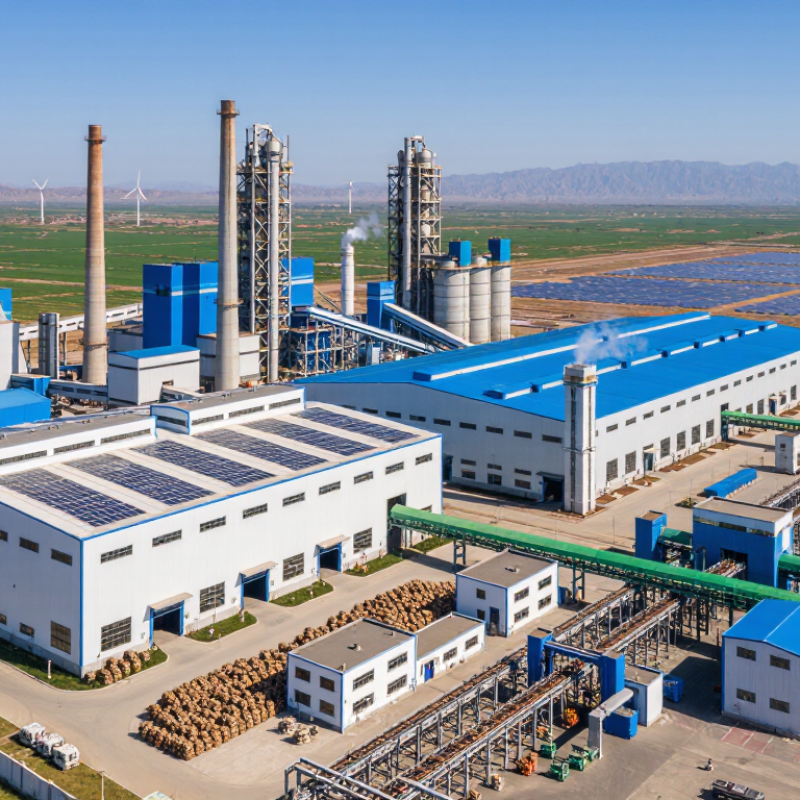
China’s role in manufacturing with lower carbon emissions is becoming more practical and measurable. Many factories are upgrading electric machinery, improving heat recovery, and reducing material waste on production lines. Rooftop solar systems and cleaner electricity contracts can also lower emissions, although their results depend on local grid conditions. A factory may look efficient on paper yet still use carbon-intensive power. That gap deserves attention.

Experienced buyers should examine real production data, not only environmental promises. Useful evidence includes monthly electricity records, fuel consumption, production volumes, and independently reviewed emissions calculations. Chinese manufacturers are also adopting digital monitoring systems to track energy use by machine and product batch. This supports more reliable reporting and helps identify waste, such as compressed air leaks or idle equipment. Progress is uneven. Smaller suppliers may lack technical staff, accurate baselines, or money for major upgrades.

Tips: Ask for product-level carbon data, recent energy records, and details about renewable electricity sources. Visit the facility when possible. Check whether targets include Scope 1 and Scope 2 emissions, and ask how purchased materials are measured. Do not treat a certificate as complete proof. Practical verification remains essential.

Key Criteria for Evaluating Low-Carbon Manufacturers

China Best Manufacturers for Lower Carbon Emissions?

Evaluating low-carbon manufacturers requires evidence beyond polished environmental claims. A credible supplier should disclose Scope 1 and Scope 2 emissions, with clear calculation boundaries. Ask whether Scope 3 emissions are measured across materials, logistics, and purchased electricity. Request recent energy records, carbon intensity per product, and independent verification. Numbers need definitions. Good data can still be incomplete.

Examine the factory’s practical systems, not only its certificates. Check energy-efficient motors, rooftop solar, heat recovery, water reuse, and waste separation. ISO 14001 or ISO 50001 certification can support credibility, but it does not prove excellent carbon performance. Compare production volumes with emissions, because a larger output may change the figures. A site visit can reveal idle machines, leaking compressed air, or unnecessary packaging. Small details matter.

Review the supplier’s improvement plan and responsible sourcing controls. Ask how often targets are updated, who audits the data, and what happens after missed targets. Renewable energy certificates may help, yet they do not always represent clean power generated near the facility. This deserves careful questioning. Workers should understand energy procedures and emergency controls. The cleanest-looking report may omit transport emissions or subcontracted processes. Compare several manufacturers using the same criteria, record the evidence, and note uncertainties instead of treating estimates as facts. No supplier is perfect.

China Best Manufacturers for Lower Carbon Emissions? — Key Criteria for Evaluating Low-Carbon Manufacturers

This buyer-oriented scoring framework prioritizes internationally recognized carbon-management practices: verified Scope 1 and 2 emissions, relevant Scope 3 disclosure, renewable electricity, energy efficiency, science-based reduction targets, third-party assurance, and environmental management systems. The weights are an illustrative evaluation model rather than company-specific performance data.

Reference frameworks: GHG Protocol Corporate Standard, ISO 14001, ISO 14064, the Greenhouse Gas Protocol Scope 2 Guidance, and Science Based Targets initiative guidance.

Leading Chinese Industries Advancing Carbon Reduction

China Best Manufacturers for Lower Carbon Emissions?

China’s leading industries are advancing carbon reduction through practical factory upgrades. Steel producers are replacing older furnaces with electric systems and cleaner energy. Cement plants are reducing clinker use, which can lower process emissions. These changes matter because heavy industry produces difficult-to-remove carbon pollution.

Solar equipment, batteries, and electric transport are also reshaping industrial demand. Many factories now install rooftop solar panels, smart meters, and heat recovery units. Production lines can track electricity use by machine and shift operations toward cleaner power hours. In factory assessments, verified energy data is more useful than attractive environmental claims. However, results vary widely between regions, suppliers, and reporting methods. Progress is real, but not always consistent.

Tips: Ask manufacturers for recent emissions data, energy sources, and audit methods. Check whether figures cover direct fuel use, purchased electricity, and major suppliers. Visit production sites when possible. Look for specific details, such as upgraded furnaces, recycled materials, or measured energy savings. Do not trust vague promises. Carbon reduction takes time. Some facilities still depend heavily on coal-based electricity, and that weakness deserves honest attention.

China Best Manufacturers for Lower Carbon Emissions? - Leading Chinese Industries Advancing Carbon Reduction
Industrial Sector Carbon-Reduction Direction Verified Industry Indicator Latest Reported Data Why It Matters for Emissions Reduction Data Year
Renewable-Energy Power Equipment Expansion of wind, solar, hydropower and other non-fossil electricity capacity Renewable-energy installed capacity as a share of total national power-generation capacity 1,516 GW, representing 50.9% of total installed power capacity Higher renewable capacity reduces the need for coal-fired generation and supports lower-emission electricity for industry and transport. 2023
New-Energy Vehicle Manufacturing Replacement of internal-combustion vehicles with battery-electric, plug-in hybrid and fuel-cell vehicles New-energy vehicle production and market penetration in China 9.587 million units produced; retail and wholesale market penetration reached approximately 31.6% Vehicle electrification can reduce operational emissions when charging electricity increasingly comes from low-carbon power sources. 2023
Iron and Steel Manufacturing Energy-efficiency upgrades, electric-arc-furnace use, process optimization and ultra-low-emission retrofits Annual crude-steel production and the share of steelmaking from electric furnaces Crude-steel output was approximately 1.019 billion tonnes; electric-furnace steel accounted for about 9.3% of output Greater use of scrap-based electric steelmaking and cleaner electricity can reduce the emissions intensity of primary steel production. 2023
Cement and Building-Materials Manufacturing Lower-clinker products, alternative fuels, waste-heat recovery and energy-saving kiln technologies National cement production volume, which indicates the scale of a sector with substantial process and energy emissions Finished-cement output was approximately 2.02 billion tonnes, down about 0.7% year on year Reducing clinker content and improving kiln efficiency can address both fuel-related emissions and process emissions from limestone calcination. 2023
Aluminum and Non-Ferrous Metals Renewable-power substitution, recycled-metal use and energy-efficiency improvements in electrolytic processes Primary aluminum production and the sector’s electricity-intensive production profile Primary aluminum output was approximately 41.59 million tonnes Because electrolytic aluminum requires substantial electricity, low-carbon power procurement and higher recycling rates can materially reduce product-level emissions. 2023
Industrial Energy-Efficiency Manufacturing High-efficiency motors, industrial boilers, variable-frequency drives, heat pumps and digital energy-management systems Change in national energy consumption per unit of gross domestic product Energy consumption per unit of GDP decreased by approximately 0.5% Efficiency equipment and industrial process optimization reduce energy demand without requiring equivalent reductions in production output. 2023
Solar-Photovoltaic Manufacturing Large-scale production of silicon materials, wafers, cells and modules for low-carbon electricity generation Newly added solar power capacity in China Approximately 216.9 GW of solar capacity was added during the year Rapid deployment of photovoltaic generation displaces fossil-fuel electricity over the operating life of the installed equipment. 2023
Wind-Power Equipment Manufacturing Development of onshore and offshore wind turbines, grid integration equipment and supporting components Newly added wind-power capacity in China Approximately 75.9 GW of wind capacity was added during the year Wind generation provides low-operational-carbon electricity and helps diversify China’s power mix away from fossil fuels. 2023

Sources: National Bureau of Statistics of China, Statistical Communiqué of the People’s Republic of China on the 2023 National Economic and Social Development; National Energy Administration, 2023 National Power Industry Statistics; China Association of Automobile Manufacturers, 2023 industry statistics; China Metallurgical Industry Planning and Research Institute, 2023 steel-industry statistics.

Technologies and Practices Used to Cut Manufacturing Emissions

Manufacturers in China are cutting emissions through measurable process changes, not slogans. Smart meters track electricity by production line and shift. Sensors can reveal idle compressors, leaking air, and overheated motors. Variable-speed drives reduce unnecessary power use. Some factories replace fossil-fuel boilers with electric heat pumps where temperatures allow. Others recover furnace heat for water or material preheating. These upgrades work best when engineers compare verified baseline data with monthly results.

Tips: Begin with a site-level carbon inventory covering Scope 1 and Scope 2 emissions. Add major purchased materials when reliable data becomes available. Set a specific reduction target for each workshop. Check electricity, fuel, scrap, and production volume together. A dashboard is useful, but only when workers trust the readings. Train operators to report unusual energy use before it becomes a recurring loss.

Cleaner production also depends on process redesign. Lightweight materials can reduce energy during forming and transport. Closed-loop cooling systems can lower water pumping demand. Renewable electricity may reduce reported operational emissions, but its certificates require careful verification. Third-party audits improve credibility, especially when customers examine supplier data. Not every upgrade pays back quickly. A heat pump may struggle in a high-temperature process. Engineers should test one production line first, record failures, and revise the plan instead of hiding inconvenient results.

How to Select a Suitable Low-Carbon Manufacturer in China

How to Select a Suitable Low-Carbon Manufacturer in China

Choosing a low-carbon manufacturer in China requires more than reading a sustainability statement. Ask for recent energy records, production data, and carbon accounting methods. A reliable factory should explain its Scope 1 and Scope 2 emissions clearly. More mature suppliers also estimate selected Scope 3 sources, such as purchased materials and transport.

Request evidence, not promises. Review electricity bills, renewable energy certificates, waste records, and third-party audit reports. During a factory visit, check roof-mounted solar panels, efficient motors, heat recovery systems, and waste-sorting areas. Speaking with production managers can reveal whether these systems operate daily or only during inspections. Small details matter.

Test the manufacturer with a pilot order. Compare material consumption, defect rates, packaging weight, and delivery emissions. Include measurable requirements in the supply agreement, with regular reporting and corrective actions. A supplier that welcomes independent verification is usually more dependable.

No factory is perfectly low-carbon. That is normal. Some suppliers may present impressive equipment but lack consistent data. Others may have limited renewable power yet maintain strong improvement plans. I would not reject a factory for one weakness. I would question vague answers, unsupported figures, and unwillingness to improve. Local energy conditions, material choices, and production volume can change the final footprint significantly. Select the manufacturer whose records, factory practices, and improvement targets align with your product’s real environmental needs.